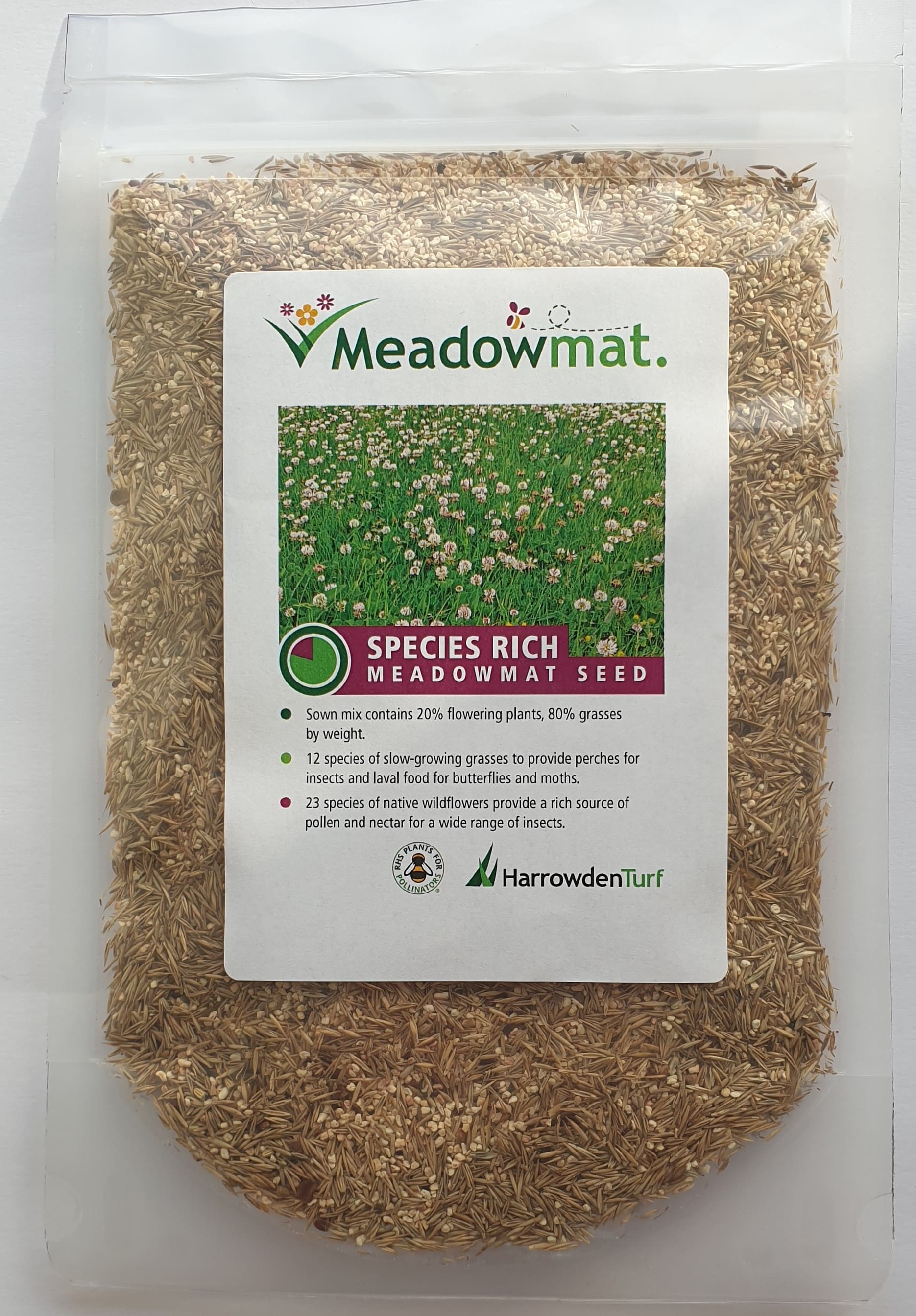
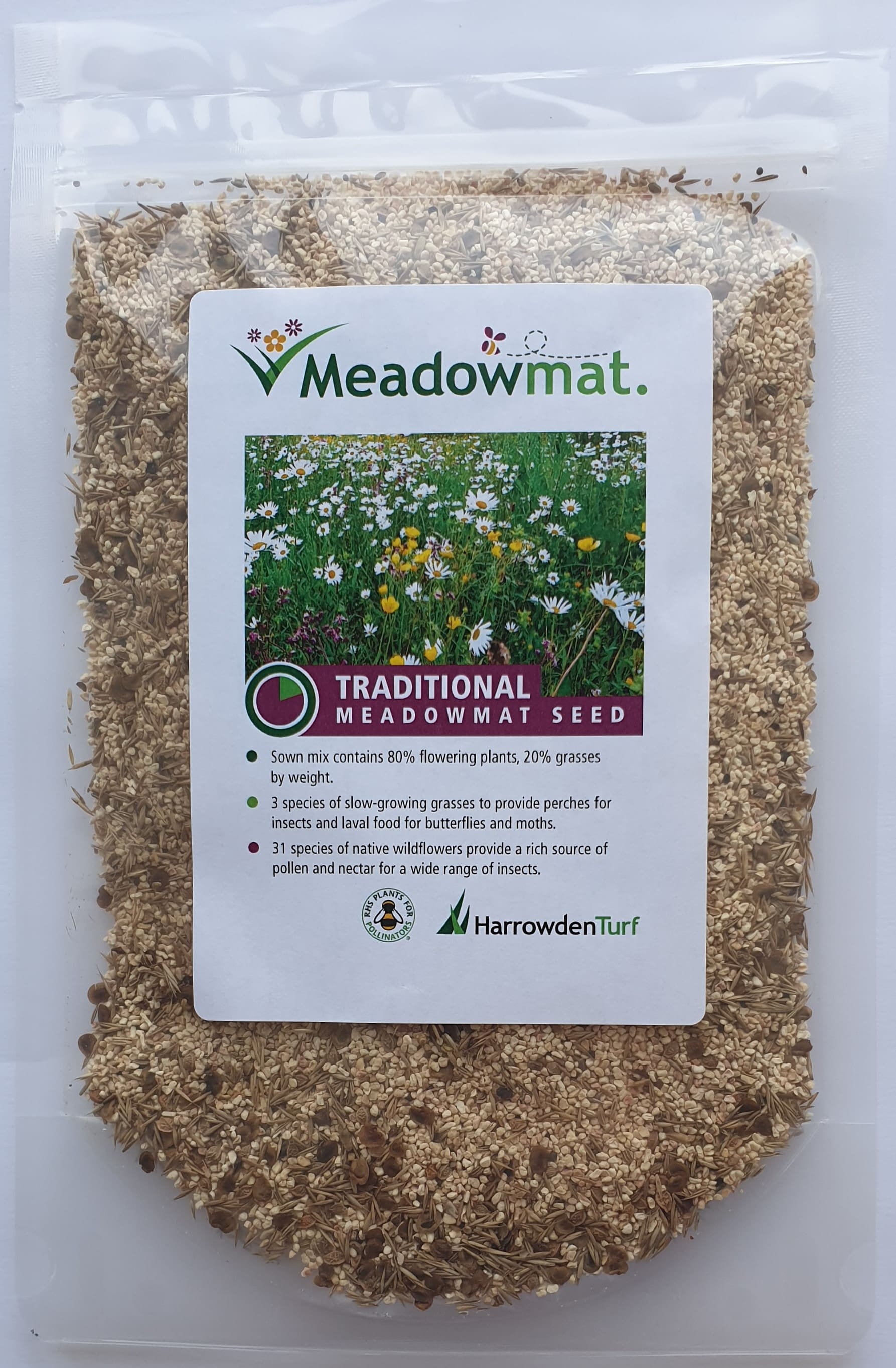
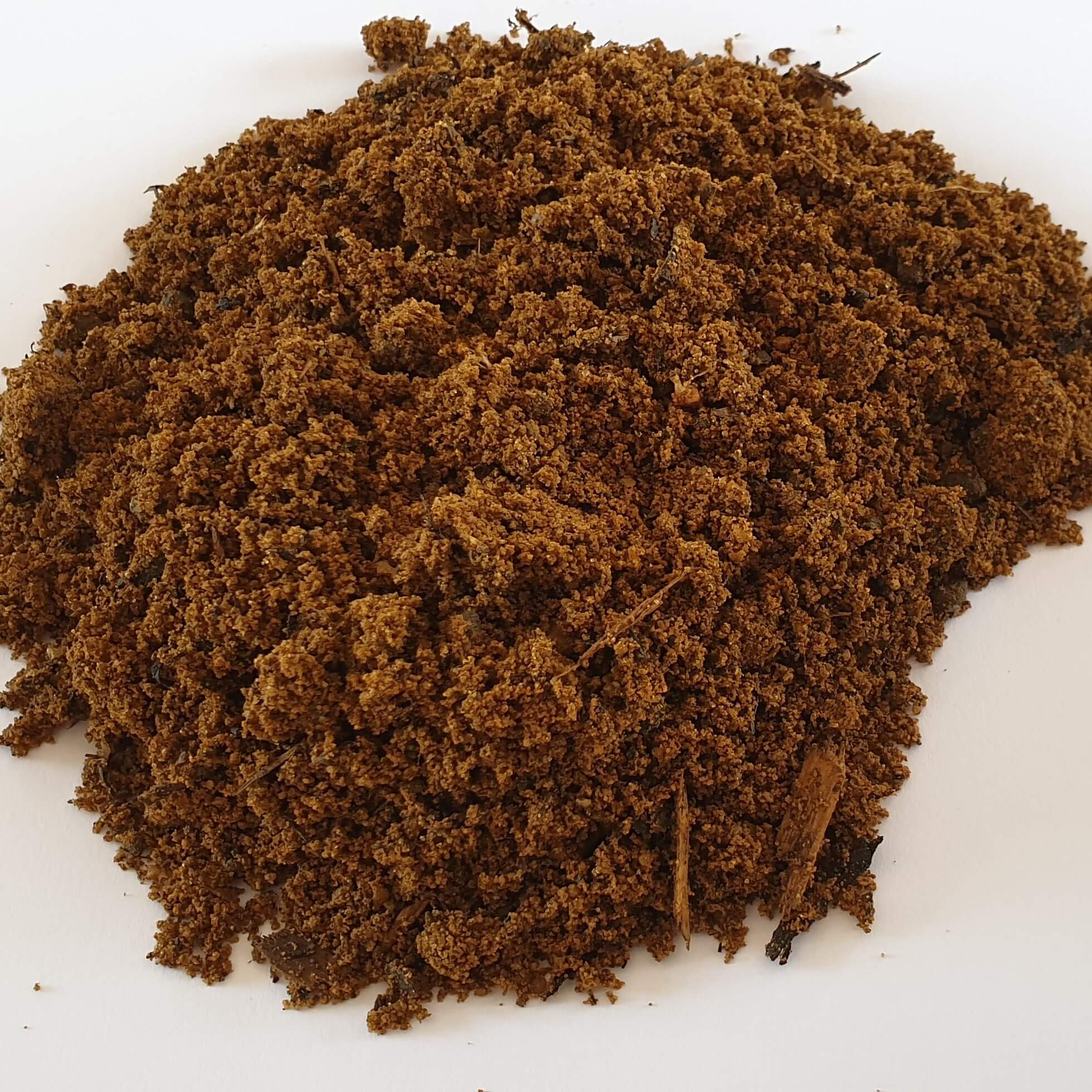
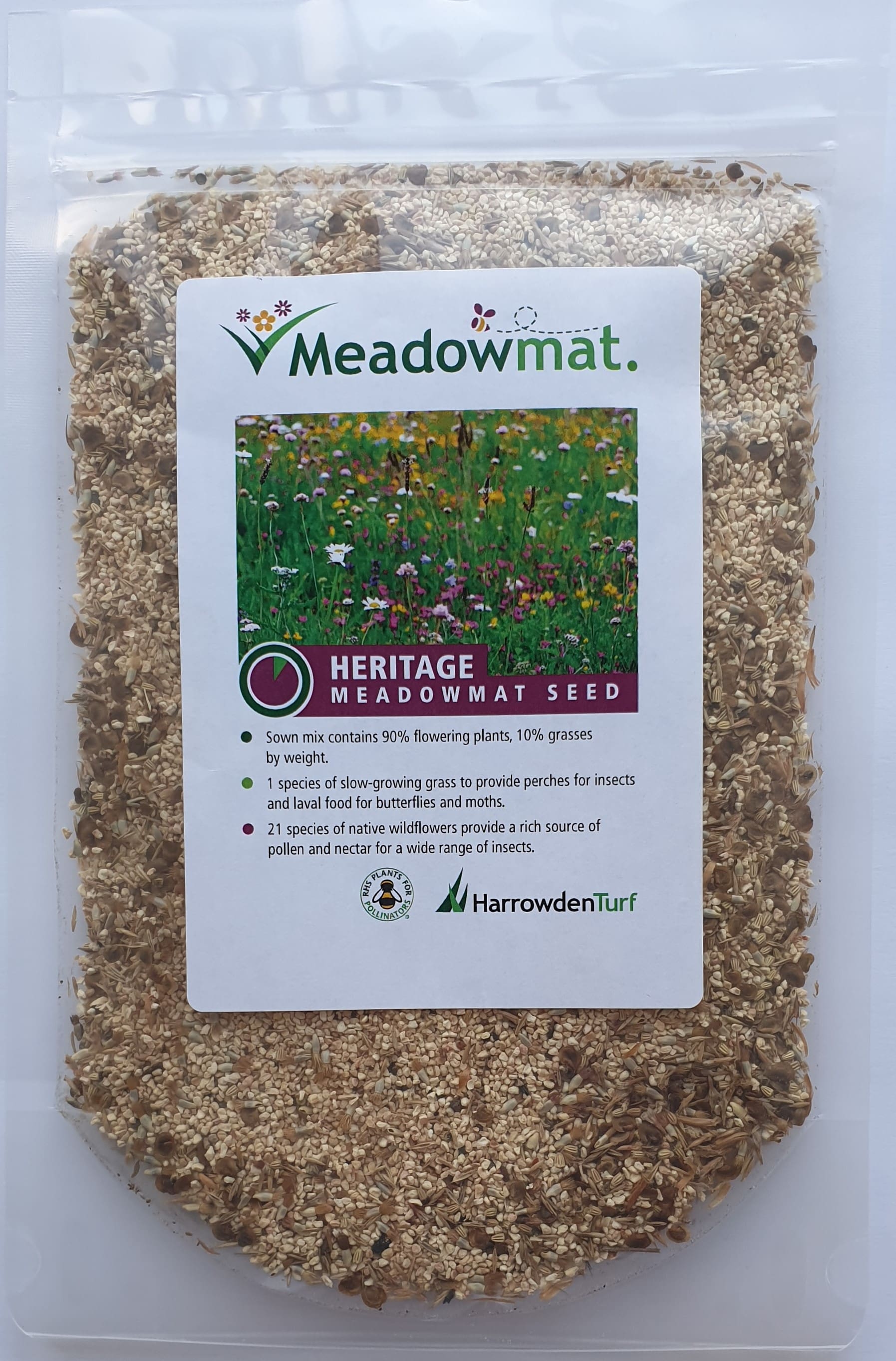
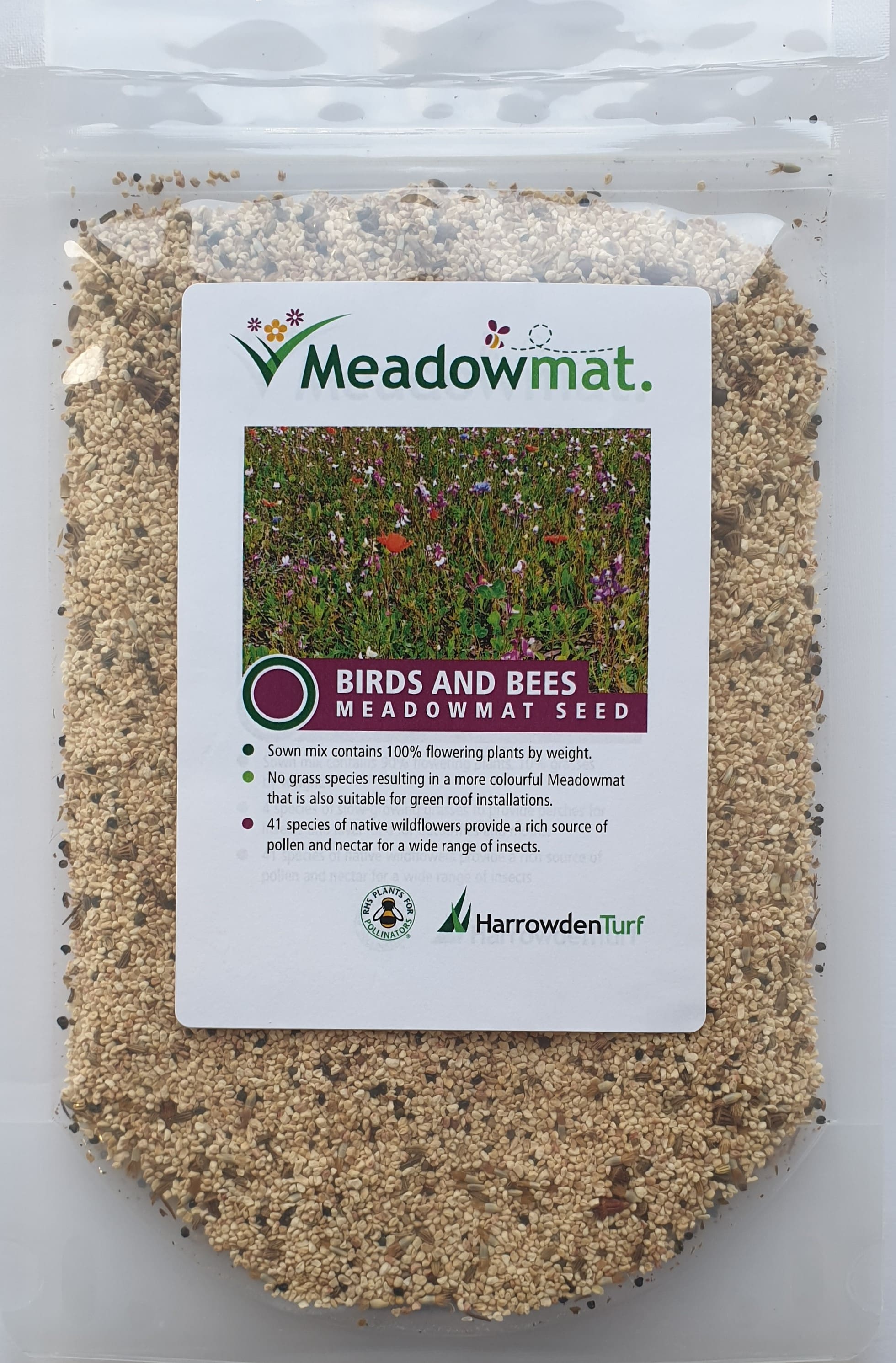
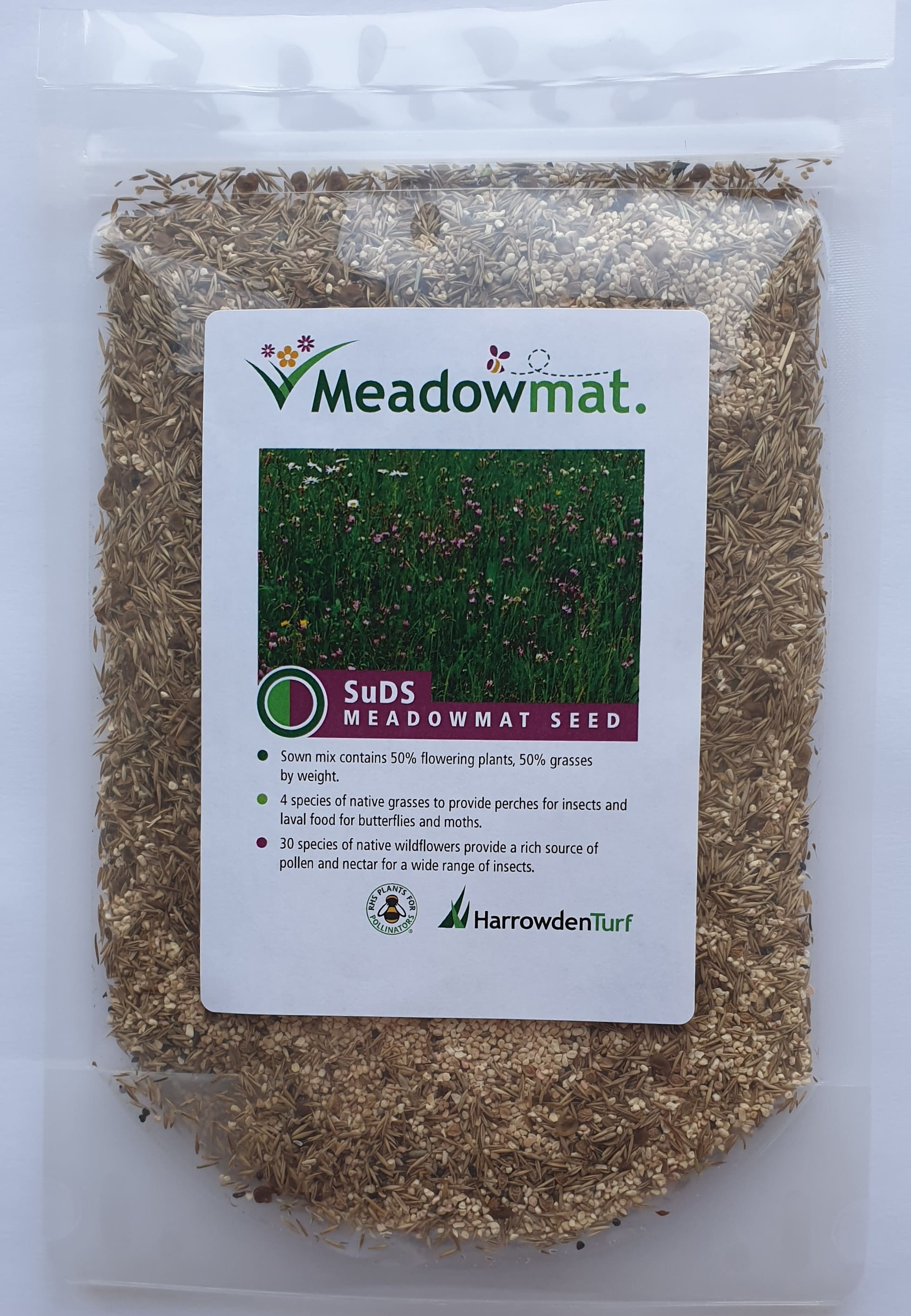
Meadowmat Birds and Bees Seed Mix We’ve put together a mix of 41 native British wildflowers and 4 grasses that will encourage a wide variety of wildlife into your garden. Besides being a joy to watch develop, Birds and Bees Meadowmat® has many features that actively support biodiversity. Firstly, a long flowering period. Not only will it provide pollen and nectar for bees, butterflies, hoverflies and moths all through the Spring and Summer months but well into Autumn too. Secondly, a source of food for caterpillars and therefore a vital part of butterfly and moth life cycles. Thirdly, Autumn seed heads and a ready supply of insects and larvae for birds. Finally, for the human visitors to your garden, there are colourful flowers, gently billowing grasses and the fascination of watching wild creatures going about their everyday life. What’s not to like? Meadowmat Birds & Bees – Key Points In essence, Birds and Bees contains mostly perennial plant species. So, grow it once and the plants will grow back year after year (provided the conditions are right). But not all of the flowering species are perennial. We’ve included some annual and bi-annuals too. But these may not appear every year. Flowering Time: March– September (depending on local weather conditions). In simple terms you can sow Birds and Bees seed at any time of year. But to be certain of seeing flowers in its first summer, we recommend sowing seed before the end of March. Generally, your Meadowmat® will change appearance from year to year because the balance of plant species is affected by weather, soil type and management. Maintenance It’s easy to look after Birds and Bees. Once it has established it can be left to grow unchecked all through Spring, Summer and Autumn. So, there’s no need for mowing, feeding, deadheading or pest control. In effect, Mother Nature will take care of almost everything for you. Then, towards the end of Winter, (usually late February) or when all of the seed-heads have been eaten by birds, cut your Birds and Bees back to a height of 10cm. Finally, be sure to shake any seeds on the area before taking away all of the clippings. Sometimes, during a wet mild summer, you may find that some of the plants fall over – if this happens, simply trim them back to tidy them. Taking the lead on seed traceability Growing Meadowmat Birds and Bees – Soil and Aspect Birds and Bees prefers to grow in full sun and moist, but well drained low fertility soil. Moreover, it is happy on level surfaces or slopes. And finally its happiest in a fairly neutral pH but will tolerate all but the most acidic or alkaline soils. For best results, sow your Birds and Bees seed onto our Low Fertility Soil. Ordinary garden soil is usually high in the plant nutrients that grasses love. It is quite likely that after a few months the grasses will become so strong that they outcompete many of the flowering plants. The result will be a beautifully grassy meadow but with less colour than you perhaps hoped for. Sowing Instructions First, dig over the area and thoroughly rake to remove any debris and create a fine tilth. If your garden soil is rich in nutrients, remove as much of it as you can and replace it with low nutrient topsoil. Then sow the seeds where you want them to grow. The recommended rate for Meadowmat wildflower seed is 30g/m². Sprinkle the seed as evenly as possible being careful not to sow seeds too thickly – the plants will need plenty of room to grow. Newly sown wildflower seed needs light and water to germinate. Do not cover the seed. Water lightly – be careful not to wash them away! Protect from birds. For best results, keep the soil and seeds moist until the plants have germinated and are well established. Contains Rehofix bulking granules to ensure even sowing. Shake well before use. Grow your own wildflower meadow Don’t have time to wait for it to grow? Significantly, the mix of wildflowers which feature in this seed mix are also available as an “instant” wildflower turf . This can bring you all the colour of wildflowers without the wait! What’s In Meadowmat Birds and Bees? Please note, percentages refer to the weight of the seed in the growing mix and do not necessarily reflect the proportions of mature plants. 100% native wildflowers For a colourful display that provides lots of pollen and nectar to support beneficial insects all the way from early spring to late autumn. For more information about each flower, or to purchase more of the individual species, click on the links below: Agrimony Read More Buy More Autumn Hawkbit Read More Buy More Birdsfoot Trefoil Read More Buy More Bladder Campion Read More Buy More Chicory Read More Buy More Clustered Bellflower Read More Buy More Columbine Read More Buy More Common Mallow Read More Buy More Common Sorrel Read More Buy More Common Toadflax Read More Buy More Cornflower Read More Buy More Daisy Read More Buy More Fennel Read More Field Poppy Read More Buy More Fox and Cubs Read More Buy More Foxglove Read More Buy More Grandmothers Garden Greater Knapweed Read More Buy More Harebell Read More Buy More Maiden Pink Read More Buy More Meadow Buttercup Read More Buy More Meadow Cranes-bill Read More Buy More Musk Mallow Read More Buy More Purple Loosestrife Read More Buy More Ragged Robin Read More Buy More Red Campion Read More Buy More Red Clover Read More Buy More Sheeps Bit Read More Buy More Small Scabious Read More Buy More Tansy Read More Buy More Teasel Read More Buy More Viper’s Bugloss Read More Buy More White Campion Read More Buy More White Clover Read More Buy More Wild Basil Read More Buy More Wild Carrot Read More Buy More Wild Clary Read More Wild Marjoram Read More Buy More Wild Pansy Read More Buy More Wild Thyme Read More Buy More Yarrow Read More Buy More The actual percentage of each species contained may vary due to environmental factors. Whilst Turfonline makes every effort to ensure wildflower products are free from weeds and pests, due to the natural way in which these products are grown we cannot guarantee they are 100% pest free on delivery. It is unlikely that you will see every species that is listed. We have developed a variety of species to suit a wide variety of soils and environmental conditions. Consequently, this will result in a product that will adapt to individual settings which may mean some species are more successful than others. Contains annual and perennial species. If installed after March many species may not flower during the first year.